 Flat Clearance Yeading Health & Safety Policy
This Health and Safety Policy sets out the commitment of our flat clearance and rubbish removal service to protect the welfare of employees, contractors, customers and the public while delivering flat clearance services in Yeading and surrounding service areas. It establishes responsibilities, safe working practices and a framework for continuous improvement.
 This document applies to all operations associated with our flat clearance and disposal activities, including rubbish clearance Yeading, refuse transport, manual handling, on-site sorting and temporary storage. The policy is designed to be clear, practical and proportionate to the scale of activities carried out by our clearance teams.
Scope and Objectives
Our objectives are to minimize harm, prevent accidents and avoid environmental incident risks through risk assessment, competent staffing, appropriate equipment and effective supervision. Responsibilities are defined to ensure that risk control measures are implemented consistently across the flat clearance operation.
We will maintain systems that identify hazards, assess risks and implement controls, promoting safe behaviour and ensuring that enough resources are allocated to meet safety obligations for rubbish collection and flat clearance works.
Key aims include reducing manual handling injuries, preventing exposure to hazardous substances, securing safe access and egress during removals, and ensuring safe use of vehicles and equipment within the rubbish company service area.
Roles and Responsibilities
Management will provide leadership and allocate resources to maintain a safe workplace. Managers must ensure risk assessments are current, that staff are competent, and that safety procedures are enforced consistently for all flat clearance projects and rubbish removal tasks.
Supervisors and team leaders are responsible for safe planning of clearance jobs, monitoring compliance, providing supervision where necessary and ensuring staff have suitable Personal Protective Equipment (PPE) and training.
Employees must take reasonable care of their own health and safety, follow instructions, report hazards or incidents promptly and use equipment and PPE as directed. Cooperation is essential to maintain a safe service area for rubbish and clearance work.
Risk Assessment and Control Measures
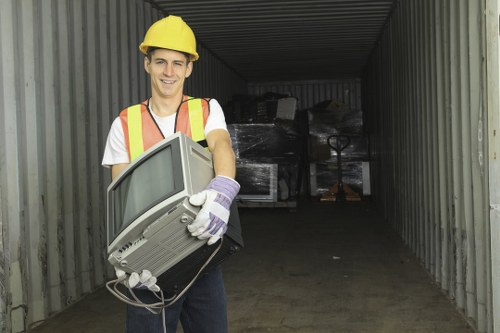 Before any clearance operation begins, a documented risk assessment will identify hazards such as sharp objects, asbestos suspicion, electrical risks, biological contamination and manual handling issues. Controls will be proportionate, practical and reviewed where conditions change.
Control measures include:
- Elimination of unnecessary items at the source where possible
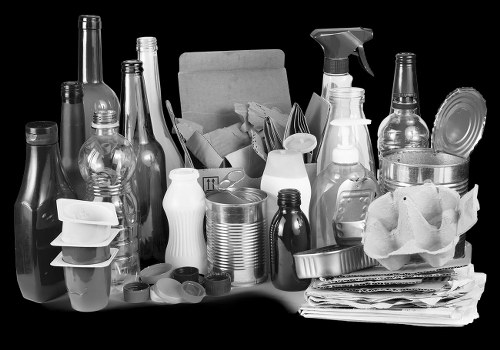
- Segregation of recyclable and hazardous waste
- Safe handling techniques and mechanical aids
- Appropriate containment for contaminated or hazardous materials
We will avoid speculative disturbance of suspect materials and adopt a cautious approach if there is any potential for hazardous waste. In such cases operations will pause until specialist advice is obtained.
Training and Competence
Our staff will receive training appropriate to their duties including manual handling, safe lifting, vehicle loading, hazardous materials awareness and emergency procedures. Training is refreshed periodically and when new risks or equipment are introduced.
Competence will be verified through observation and records. Contractors working on our behalf are required to demonstrate equivalent health and safety standards before engagement in flat clearance, wasted handling or rubbish collection tasks.
Induction processes cover site-specific hazards, reporting protocols and expectations for conduct in the service area. Refresher briefings are used to reinforce safe methods and procedural updates.
Equipment, Vehicles and PPE
All vehicles and equipment used for flat clearance and rubbish transfer will be maintained, inspected and operated in accordance with manufacturers’ guidance. Load restraint, secure storage and safe reversing procedures are mandatory.
PPE such as gloves, safety footwear, high-visibility clothing and respiratory protection (where identified necessary) will be provided and used. The selection of PPE follows risk assessment outcomes and is monitored for condition and suitability.
Where powered equipment or lifting aids are deployed, operators must be trained and permitted to use such machinery; emergency stop procedures and guarding must remain in place at all times.
Incident Reporting and Emergency Response
All incidents, near misses and injuries must be reported promptly. Incidents are investigated to identify root causes and corrective actions to prevent recurrence. Records are maintained to inform training and policy review.
Emergency arrangements cover first aid, fire response, spill containment and procedures to manage accidental discovery of hazardous materials. Staff are briefed on these arrangements and know how to summon assistance where required.
 Where external emergency services might be required, operations will cooperate fully while ensuring the immediate safety of personnel and the public during rubbish clearance activities.
Monitoring, Review and Continuous Improvement
 The policy will be reviewed regularly, or following significant incidents, changes in operations or new guidance. Routine inspections, audits and feedback from teams help drive improvements across our flat clearance and rubbish removal services.
Performance indicators, including incident rates, training completion and maintenance records, support management oversight and resource allocation to sustain a safe working environment.
By embedding safety into daily practice and maintaining clear responsibilities, our flat clearance teams aim to deliver an efficient service that safeguards people, property and the environment across the broader rubbish clearance service area.
Policy Approval: This policy is endorsed by senior management and represents our commitment to health and safety in all flat clearance operations. It is communicated to staff and reviewed to ensure ongoing relevance and effectiveness.
Signed: Management Representative (on behalf of the company)
Review Date: Annual or as required by operational changes and incident learning.