Comprehensive Business Waste Removal Services in Yeading
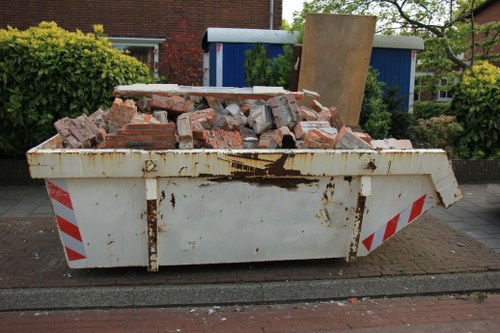
Managing business waste efficiently is crucial for maintaining a clean and sustainable environment. In Yeading, businesses face unique challenges when it comes to waste removal, from managing office waste to handling industrial by-products. This article delves into the various aspects of business waste removal in Yeading, offering insights and solutions to ensure your business stays compliant and environmentally responsible.
Yeading, located in the London Borough of Ealing, has seen significant commercial growth over the years. With this growth comes the responsibility of proper waste management. Whether you're running a small office, a large industrial facility, or anything in between, understanding the nuances of waste removal in Yeading is essential.
Effective waste management not only helps in maintaining a clean workspace but also contributes to the overall well-being of the community. It plays a pivotal role in reducing environmental impact, conserving resources, and promoting sustainability. Businesses that prioritize waste management often see long-term benefits, including cost savings and enhanced reputation.
The Importance of Business Waste Removal
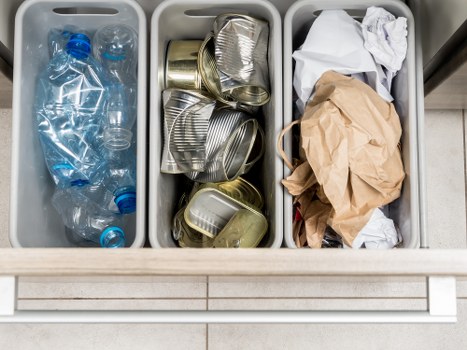
Proper waste removal is more than just a regulatory requirement; it's a cornerstone of responsible business practices. In Yeading, where businesses range from retail stores to manufacturing units, waste management helps in:
- Environmental Protection: Reducing pollution and conserving natural resources.
- Compliance: Adhering to local and national waste management regulations.
- Cost Efficiency: Minimizing waste disposal costs through effective management strategies.
- Health and Safety: Ensuring a safe working environment by properly handling hazardous materials.
By prioritizing waste removal, businesses contribute to a healthier environment and build trust with customers and stakeholders.
Moreover, sustainable waste management practices can enhance a company's brand image, making it more attractive to eco-conscious consumers and clients.
Types of Business Waste
1. General Waste
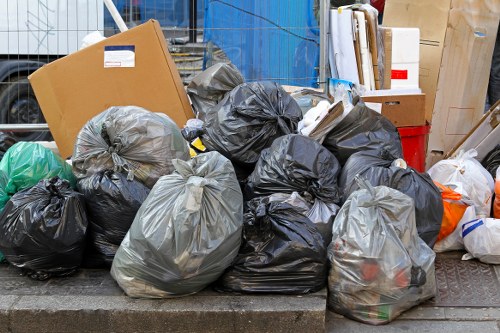
General waste includes non-recyclable materials that are discarded daily. In an office setting, this might consist of paper, packaging, and food scraps. Proper segregation and disposal are essential to ensure that recyclable materials are not mistakenly sent to landfills.
2. Hazardous Waste
Businesses that handle chemicals, electronics, or other hazardous materials must adhere to strict disposal protocols. Hazardous waste poses significant risks to both human health and the environment if not managed correctly.
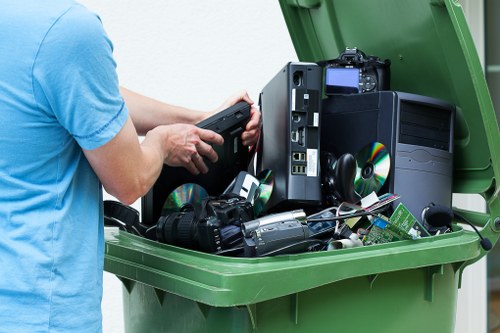
3. Electronic Waste (E-Waste)
With the rapid advancement of technology, e-waste has become a growing concern. Proper recycling of electronic devices helps in recovering valuable materials and preventing harmful substances from entering the ecosystem.
4. Medical Waste
Healthcare facilities generate medical waste that requires specialized disposal methods to prevent contamination and the spread of diseases.
5. Industrial Waste
Manufacturing units produce industrial waste, including by-products from production processes. Efficient waste management in these settings is crucial for sustainability and compliance.
Waste Removal Process in Yeading
1. Waste Assessment
The first step in effective waste removal is assessing the type and quantity of waste your business generates. This assessment helps in determining the most suitable waste management strategies and services required.
2. Waste Segregation
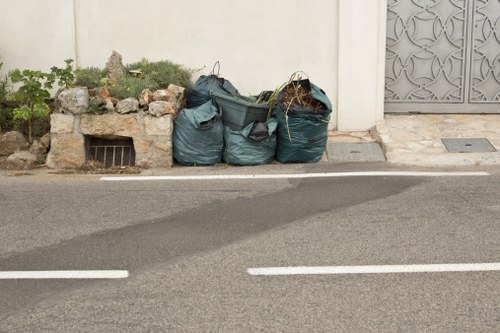
Segregating waste at the source ensures that recyclable and non-recyclable materials are disposed of appropriately. It reduces the burden on landfill sites and promotes recycling initiatives.
3. Collection and Transportation
Reliable collection and transportation services are vital for timely waste removal. In Yeading, several companies offer tailored waste collection schedules to meet the diverse needs of businesses.
4. Recycling and Disposal
Once collected, waste is either recycled or disposed of in compliance with environmental regulations. Recycling helps in recovering valuable materials, while proper disposal prevents environmental contamination.
5. Sustainability Initiatives
Incorporating sustainability into your waste management practices can lead to long-term benefits. This includes reducing waste generation, reusing materials, and investing in eco-friendly disposal technologies.
By following a structured waste removal process, businesses in Yeading can achieve efficient waste management, reduce operational costs, and contribute to environmental conservation.
Choosing the Right Waste Removal Service
Factors to Consider
- Reliability: Ensure the service provider has a track record of timely and efficient waste collection.
- Compliance: The provider should adhere to all local and national waste management regulations.
- Range of Services: Look for a provider that offers a comprehensive range of services tailored to your specific needs.
- Environmental Commitment: Choose companies that prioritize recycling and sustainable practices.
- Cost-Effectiveness: Evaluate the pricing structures to ensure you receive value for your investment.
Top Waste Removal Services in Yeading
Yeading boasts several reputable waste removal companies that cater to diverse business needs. These companies offer customized solutions, ensuring that your waste management processes are seamless and efficient.
1. Yeading Waste Solutions
Known for their reliable services, Yeading Waste Solutions offers comprehensive waste management programs, including recycling, hazardous waste disposal, and regular collection schedules. Their team of experts ensures that your business remains compliant with all environmental regulations.
2. Ealing Eco Waste
Ealing Eco Waste focuses on sustainable waste management practices. They provide tailored services for businesses of all sizes, emphasizing recycling and reducing landfill dependency. Their eco-friendly approach makes them a preferred choice for environmentally conscious businesses.
3. GreenPath Waste Management
GreenPath Waste Management offers a wide range of services, from general waste collection to specialized hazardous waste disposal. Their commitment to sustainability and customer satisfaction sets them apart in the Yeading waste removal landscape.
Choosing the right waste removal service is critical for effective business operations. Evaluate your specific needs, compare service offerings, and select a provider that aligns with your sustainability goals.
Benefits of Professional Waste Removal
Opting for professional waste removal services offers numerous advantages for businesses in Yeading:
- Efficiency: Professional services ensure timely and organized waste collection, preventing accumulation and potential health hazards.
- Compliance: Adhering to waste management regulations helps avoid legal penalties and maintains your business’s reputation.
- Cost Savings: Efficient waste management can reduce disposal costs and minimize waste-related expenses.
- Environmental Impact: Proper waste handling reduces your business's carbon footprint and promotes sustainability.
- Focus on Core Activities: Outsourcing waste removal allows you to concentrate on your primary business operations without the hassle of managing waste.
Investing in professional waste removal is not just a regulatory necessity but a strategic business decision that yields long-term benefits.
Moreover, businesses can enhance their corporate social responsibility profile by partnering with waste removal services that prioritize sustainability.
Incorporating professional waste removal into your business strategy is a proactive step towards a cleaner, greener Yeading.
Regulations and Compliance
Businesses in Yeading must adhere to various waste management regulations to ensure responsible disposal and environmental protection. Understanding these regulations is essential for maintaining compliance and avoiding legal repercussions.
Local Waste Regulations
The London Borough of Ealing has specific guidelines for waste disposal, including segregation requirements, recycling mandates, and restrictions on hazardous materials. Staying informed about these regulations helps businesses implement compliant waste management practices.
National Waste Legislation
In addition to local regulations, businesses must comply with national waste management laws, such as the Waste Electrical and Electronic Equipment (WEEE) Directive and the Hazardous Waste (England and Wales) Regulations. These laws set standards for waste treatment, recycling, and disposal.
Penalties for Non-Compliance
Failure to comply with waste management regulations can result in hefty fines, legal actions, and damage to your business’s reputation. It is crucial to regularly review and update your waste management policies to ensure ongoing compliance.
Best Practices for Compliance
- Regular Audits: Conduct periodic waste audits to assess your waste generation and disposal practices.
- Staff Training: Educate employees about proper waste segregation and disposal methods.
- Documentation: Maintain accurate records of waste disposal activities and compliance measures.
- Partner with Compliant Providers: Collaborate with waste removal services that are certified and adhere to all regulatory standards.
By implementing these best practices, businesses can ensure they remain compliant with all waste management regulations, safeguarding their operations and the environment.
Innovative Waste Management Solutions
The landscape of waste management is continually evolving, with new technologies and strategies emerging to address the challenges of waste disposal. Businesses in Yeading can leverage these innovations to enhance their waste removal processes.
Recycling Programs
Implementing comprehensive recycling programs allows businesses to divert waste from landfills and repurpose materials. This not only reduces environmental impact but also supports the circular economy.
Composting
For businesses that generate organic waste, composting is an effective method of waste reduction. It transforms waste into valuable soil amendments, promoting sustainability and reducing disposal costs.
Waste-to-Energy Technologies
Advanced waste-to-energy technologies convert waste materials into usable energy, providing a sustainable solution for managing large volumes of waste while generating power.
Digital Waste Management Systems
Integrating digital systems for tracking and managing waste can streamline operations, provide real-time data, and improve overall efficiency. These systems enable businesses to monitor their waste production and optimize their waste removal strategies.
Adopting Green Technologies
- Smart Bins: Utilize bins equipped with sensors to monitor waste levels and optimize collection schedules.
- Automated Sorting: Implement automated systems for sorting recyclable materials, increasing accuracy and efficiency.
- Eco-Friendly Packaging: Reduce waste generation by adopting sustainable packaging solutions.
Embracing innovative waste management solutions can significantly enhance a business’s sustainability efforts, reduce operational costs, and contribute to environmental conservation.
Future Trends in Business Waste Removal
The future of waste removal in Yeading is poised to be shaped by several key trends that emphasize sustainability, efficiency, and technological advancement.
Sustainability and Circular Economy
The shift towards a circular economy focuses on minimizing waste and maximizing resource use. Businesses will increasingly adopt practices that promote recycling, reuse, and reduction of waste generation.
Automation and Artificial Intelligence
Automation and AI are revolutionizing waste management by enhancing sorting accuracy, optimizing collection routes, and providing predictive analytics for waste generation. These technologies lead to more efficient and cost-effective waste removal processes.
Regulatory Enhancements
As environmental concerns grow, stricter waste management regulations are expected. Businesses will need to stay ahead by adopting proactive waste management strategies that ensure compliance and environmental stewardship.
Increased Focus on E-Waste
The rise of electronic waste presents new challenges and opportunities. Effective e-waste management will become a critical component of business waste removal strategies, emphasizing proper recycling and disposal of electronic devices.
Integration of Renewable Energy
- Solar-Powered Waste Facilities: Utilizing renewable energy sources to power waste management facilities reduces carbon footprints.
- Biogas Production: Converting organic waste into biogas provides a sustainable energy source and reduces greenhouse gas emissions.
These trends indicate a future where waste removal is more sustainable, technologically advanced, and integral to business operations. Staying informed and adaptable will enable businesses in Yeading to navigate these changes effectively.
Embracing these future trends not only ensures compliance and efficiency but also positions businesses as leaders in sustainability.
Conclusion
Business waste removal in Yeading is a multifaceted process that requires careful planning, adherence to regulations, and a commitment to sustainability. By understanding the types of waste, choosing the right removal services, and embracing innovative solutions, businesses can effectively manage their waste and contribute positively to the environment.
Investing in professional waste management services offers numerous benefits, including cost savings, regulatory compliance, and enhanced corporate reputation. As the landscape of waste management continues to evolve, staying informed about emerging trends and technologies will be crucial for long-term success.
For businesses in Yeading looking to optimize their waste removal processes, partnering with experienced and eco-friendly waste management providers is a strategic move. Contact us today to learn how our tailored waste removal solutions can help your business achieve its sustainability goals.
Don't wait to make a positive impact—book your service now and take the first step towards a cleaner, greener future for your business and the Yeading community.