North Yeading estate rubbish clearance guide for residents
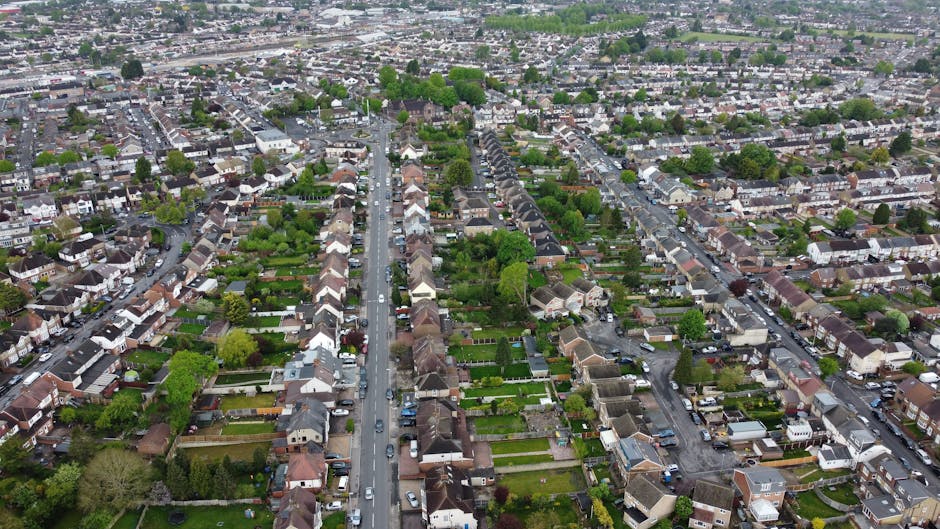
If you live on or near a North Yeading estate, rubbish can build up faster than you expect. One broken wardrobe, a few old boxes, a sofa you keep meaning to move, and suddenly the hallway feels tighter and the bins are overflowing. This North Yeading estate rubbish clearance guide for residents is here to make the process simpler, safer, and a lot less stressful.
Whether you are clearing a flat after a tenancy, making space in a shared storage cupboard, dealing with garden waste after a weekend tidy-up, or just trying to reclaim the spare room, the aim is the same: get the job done without unnecessary hassle. Below, you will find practical steps, common pitfalls, local-minded advice, and a realistic way to choose the right clearance option for your situation.
- Why it matters
- How it works
- Key benefits
- Who needs this
- Step-by-step guidance
- Expert tips
- Common mistakes
- Tools, resources and recommendations
- Law, compliance and best practice
- Options and comparison table
- Real-world example
- Practical checklist
- Conclusion
- Frequently asked questions
Why North Yeading estate rubbish clearance guide for residents Matters
Estate rubbish clearance is not just about making a mess disappear. On residential estates, waste can affect shared entrances, stairwells, bin stores, fire routes, parking bays, and the general feeling of the place. A small pile of unwanted items can quickly become everyone's problem. To be fair, most residents do not set out to cause an issue; it just happens when life gets busy.
North Yeading homes often include flats, maisonettes, shared access points, communal courtyards, and limited parking. That means rubbish clearance has to be planned a bit more carefully than a simple front-drive collection. If you leave bulky items in the wrong spot, they can obstruct access or lead to complaints from neighbours and managing agents. And nobody wants that awkward note through the door.
There is also the question of safety. Loose waste attracts pests, creates slip hazards, and can block fire exits if it is left in communal areas. When clearance is done well, the estate feels calmer almost immediately. The space looks bigger, smells better, and people can move around without weaving past old furniture and sacks of mixed rubbish.
If your clear-out includes a wider property reset, it can help to review a relevant service page such as flat clearance or home clearance so you can match the job to the type of waste you actually have. That small decision saves time later.
How North Yeading estate rubbish clearance guide for residents Works
In plain English, estate rubbish clearance usually follows a simple pattern: identify what needs removing, separate what can stay from what must go, arrange a suitable collection, and make sure access is straightforward on the day. Sounds basic, but the detail matters.
For residents, the first step is usually sorting rubbish into clear categories. Bulky furniture, small household waste, electricals, garden debris, and construction offcuts all behave differently and may need different handling. A mixed pile can be cleared, but it often takes longer if nothing is prepared. If you have items like fridges, freezers, or ovens, it is worth looking at fridge and appliance removal because white goods need a bit more care than ordinary furniture.
The second step is access. On estates, access is often the thing that turns a straightforward clear-out into a slightly fiddly one. Are there tight stairwells? Is the lift working? Do you need a parking bay? Can large items come out through the front entrance, or do they need to be carried via a back path? These questions sound dull, but they save a lot of hassle on collection day.
The third step is disposal. Responsible clearance is not just about lifting and loading. Reusable items should be separated where possible, recyclable materials should not be lumped in with general waste, and anything hazardous must be treated carefully. If you are dealing with awkward waste streams, hazardous waste disposal is the right place to understand what needs special handling.
Key Benefits and Practical Advantages
Good rubbish clearance does more than create a tidy room. It improves how a property functions day to day. A clear hallway feels safer. A cleared storage space becomes useful again. A sorted estate runs more smoothly because people are not stepping around abandoned items or arguing over bin space.
Here are the most practical benefits residents usually notice first:
- More usable space: the obvious one, but still the best reason of all.
- Less stress: the mental relief of seeing a job finally handled is real.
- Safer access routes: especially in shared blocks and communal corridors.
- Better neighbour relations: no one enjoys waste left beside a shared entrance for days.
- Cleaner handovers: useful for move-outs, tenancy changes, or family property clearances.
- More responsible disposal: items are handled with recycling and reuse in mind where possible.
There is also a practical financial angle. Doing the job properly the first time can avoid repeat trips, storage fees, missed collection charges, or damage caused by dragging bulky waste through a building too many times. That last one is annoying and, frankly, avoidable.
If the rubbish is mainly old sofas, chairs, tables, or cupboards, you may want to compare options against furniture disposal or furniture clearance. The more accurately you match the service to the load, the smoother things tend to go.
Who This Is For and When It Makes Sense
This guide is useful for a wide range of residents, not just people doing a full-scale clear-out. In practice, estate rubbish clearance makes sense whenever waste becomes too bulky, awkward, or time-sensitive for ordinary bin collection.
You might need it if you are:
- moving out of a flat and need a rapid tidy-up
- clearing a tenant's left-behind items after a tenancy ends
- removing a sofa, bed base, wardrobe, or other bulky furniture
- sorting a loft, garage, or storage cupboard
- preparing a property for sale or let
- dealing with post-refurbishment waste in a residential block
- clearing garden cuttings, old pots, or outdoor clutter
It also makes sense when you simply do not have the time or physical capacity to handle heavy lifting. Let's face it, carrying a worn-out mattress down three flights of stairs on a wet Tuesday evening is nobody's idea of fun.
If the job is more about larger domestic spaces than a single flat, then house clearance or loft clearance may be the better fit. If it is a smaller residential clean-up, waste removal is often the broadest starting point.
Step-by-Step Guidance
Here is a practical way to approach estate rubbish clearance without overcomplicating it.
- Walk the space first. Look at what is actually there, not what you think is there. A quick walk-through with a notepad usually reveals more than you expect.
- Separate items into groups. Keep furniture, general rubbish, electricals, recyclables, and hazardous items apart if possible.
- Identify access issues. Check stair size, lift access, parking restrictions, entry codes, and any timing constraints for the estate.
- Protect shared areas. If items must travel through communal spaces, use sensible handling so walls, doors, and floors are not marked.
- Decide what stays and what goes. It sounds obvious, but people often regret tossing items too quickly. Check cupboards, loft corners, and behind doors.
- Choose the right service type. Furniture, garden waste, builders' debris, and mixed rubbish each need a slightly different approach.
- Arrange collection or booking. If you want to move quickly, booking ahead can help you secure a time that suits the estate and your own schedule. You can use book online if that is the easiest route.
- Be on site, if possible. Even a short presence at the start helps answer questions and avoid delays.
- Check the area after loading. A final sweep catches small bits, splinters, screws, packaging, or that one rogue drawer that always seems to survive the first round.
A small real-world tip: if you are clearing before an inventory check or move-out inspection, take photos before and after. Not glamorous, but useful. Very useful.
Expert Tips for Better Results
In our experience, the best rubbish clearances are the ones that feel calm on the day. A little preparation goes a long way.
- Bundle similar items together. Keep cardboard with cardboard, furniture with furniture, and loose rubbish bagged where possible.
- Measure large items before collection. A sofa that looks manageable in a living room can become surprisingly awkward at the stairwell.
- Keep a clear access path. Move shoes, prams, plant pots, and other everyday clutter out of the route first.
- Label what is definitely going. It prevents accidental mistakes, especially in shared homes or family properties.
- Think about reuse. If something is still usable, separate it early. That small decision can make the clearance feel less wasteful.
- Plan around building routines. Early mornings, school runs, and bin day can all affect access on an estate.
One thing people forget: bagged waste can still be heavy. A few oversized bags on the landing may not look like much until you try to move them. Then suddenly they are very real.
If you are clearing a room full of mixed items, a broad service like home clearance can be more efficient than trying to break the job into tiny fragments. For outdoor clutter, garden clearance is usually the better fit.
Common Mistakes to Avoid
Most clearance problems are not dramatic. They are small mistakes that stack up. The good news? They are easy to avoid once you know what to watch for.
- Leaving waste in communal areas too long. It can create complaints and may breach estate rules.
- Mixing everything together. Mixed loads are harder to handle and can slow down disposal decisions.
- Forgetting about access. A clear-out plan that ignores stairs, lifts, or parking restrictions is not really a plan.
- Underestimating heavy items. Sofas, wardrobes, and appliances are awkward, not just heavy.
- Not checking restricted items. Some waste needs special handling, especially anything classed as hazardous.
- Assuming every service covers the same thing. They do not. A furniture-only job is different from a mixed waste removal.
There is also the classic mistake of starting too late. You know the one. The tenancy ends tomorrow, and somehow there is still a mattress, two lamps, a broken chair, and a bag of mysterious cables sitting in the corner. Not ideal.
If the load includes bulky household items, it may be worth checking mattress and sofa disposal so you can avoid trying to shoehorn awkward items into the wrong disposal route.
Tools, Resources and Recommendations
You do not need a van-full of equipment to manage a residential clearance, but a few basic tools help a lot.
| Tool or resource | Why it helps | Best use case |
|---|---|---|
| Heavy-duty bin bags | Keeps loose waste together and easier to lift | General rubbish, small clean-outs |
| Gloves | Protects hands from dust, splinters, and sharp edges | Sorting mixed items |
| Tape measure | Checks whether large items can pass through doors and stairwells | Furniture, appliances, bulky loads |
| Labels or sticky notes | Helps mark items to keep or remove | Shared homes or family clear-outs |
| Photos on your phone | Useful for planning and record-keeping | Move-outs, landlord handovers, insurance checks |
For residents who want a better picture of disposal choices, what can go in a skip is a useful reference point, even if you are not actually hiring a skip. It helps you understand what tends to be accepted in a standard mixed load and what usually needs separate handling.
It can also be smart to review pricing and quotes before you book anything. Not because every price will be the same, but because clarity up front makes the whole job less frustrating.
Law, Compliance, Standards, or Best Practice
For residents, the safest approach is to follow common UK waste-handling practice: do not leave waste where it could obstruct others, do not assume every item can go into general rubbish, and use a responsible route for anything unusual or potentially harmful. You do not need to be a waste law expert, but you should avoid casual shortcuts.
Best practice usually means checking whether items are reusable, recyclable, or need specialist handling before they are moved. If waste is from a flat or estate, care with communal areas matters too. In shared buildings, the practical standard is simple: do not create a nuisance, do not block access, and do not leave a pile that turns into everyone else's problem.
Documentation matters as well. If you are using a professional service, keep booking details, notes about the items removed, and any correspondence about access or timing. That way, if something needs to be checked later, you are not trying to remember it all from a fuzzy Tuesday afternoon. It happens.
For customers wanting to understand service standards beyond the clearance itself, our pages on insurance and safety, health and safety policy, and recycling and sustainability are helpful background reading. They explain the approach behind careful, responsible waste handling.
Options, Methods, or Comparison Table
There is no single best way to clear estate rubbish. The right method depends on volume, item type, access, and timing. Here is a simple comparison that helps residents decide.
| Method | Best for | Pros | Trade-offs |
|---|---|---|---|
| Self-clearance | Small loads and light items | Flexible, low-cost if you already have transport | Time-consuming, lifting risk, disposal logistics are on you |
| Skip-style solution | Ongoing work or mixed waste on accessible sites | Good for phased clear-outs | Estate access and placement rules can be tricky; check suitability first |
| Professional rubbish clearance | Bulky, mixed, or time-sensitive jobs | Fast, simpler, less physical effort | Usually costs more than doing it yourself |
| Specialist item removal | Appliances, mattresses, hazardous items, office waste | More appropriate handling | May need separate booking or extra planning |
If your job includes office furniture, confidential paperwork, or business-related clutter from a home office, the relevant page may be office clearance or confidential shredding. That saves you trying to fit everything into one generic box.
Case Study or Real-World Example
Here is a realistic example based on the sort of situation residents often face.
A tenant in a North Yeading estate flat moves out at short notice and leaves behind a double bed base, a mattress, a small wardrobe, several bags of mixed household rubbish, and an old microwave. The flat itself is on the third floor, the lift is occasionally unreliable, and the estate has limited parking. A simple bin-store drop-off is not an option, and the landlord needs the property cleared before the next inspection.
The sensible approach is to sort the items first: furniture to one side, small rubbish in bags, and the microwave separated for appliance handling. The access route is then checked so the team knows whether stair carrying is required. With that sorted, the clearance can happen in one visit rather than turning into a back-and-forth problem. The result is a clean, empty flat and no last-minute panic.
That is the real value of good planning. It does not need to be fancy. It just needs to be done properly. A lot of stress disappears once the first item is gone.
If the situation is similar but the home is more cluttered overall, house clearance or flat clearance may be the better framing for the job.
Practical Checklist
Use this quick checklist before collection day:
- Confirm exactly which items are going
- Separate furniture, general waste, electricals, and hazardous items
- Measure large items against doors, corridors, and stairwells
- Check parking, entry, and lift access
- Tell neighbours or building contacts if the estate needs notice
- Keep shared hallways and exits clear
- Remove anything you want to keep from cupboards, drawers, and shelves
- Have any booking or quote details ready
- Set aside fragile items and valuables before the team arrives
- Do a final sweep once the load has been removed
A one-minute check at the end can prevent the very annoying discovery of a missing charger, key, or envelope tucked behind a radiator. It happens more often than people admit.
Get a free quote today and see how much you can save.
Conclusion
Estate rubbish clearance does not need to be complicated, but it does need to be thoughtful. The more carefully you plan access, sort items, and choose the right service approach, the smoother the whole thing becomes. For North Yeading residents, that usually means being realistic about shared spaces, bulky items, and the practical realities of flat living.
When done well, clearance is almost a relief you can feel. The room opens up, the corridors breathe again, and the whole place seems a little lighter. That is the point, really. Not perfection. Just a proper reset.
And if you are halfway through clearing a flat, staring at a mattress, a bag of cables, and an old lamp at the same time, don't worry too much. Start with one corner. Then the next. It adds up.
Frequently Asked Questions
What is the best way to clear rubbish from a North Yeading estate flat?
The best approach is usually to sort items first, check access, and choose a clearance method that suits the size and type of waste. For bulky or mixed loads, a professional rubbish clearance service is often the easiest option.
Can I leave bulky waste in a communal area before collection?
Usually, no. In shared buildings, leaving items in communal spaces can block access or cause complaints. It is better to keep items inside your property or move them out only when collection is due.
What should I do with old furniture from my flat?
Furniture should be separated from general rubbish where possible. Sofas, wardrobes, tables, and beds can often be handled through a dedicated furniture clearance or furniture disposal option.
Do I need a separate service for fridges, freezers, or ovens?
Often, yes. Appliances can be awkward and may need more careful handling than standard household waste. A dedicated fridge and appliance removal service is usually the safer choice.
How do I know if my waste counts as hazardous?
If the waste includes chemicals, paint, solvents, batteries, sharp contaminated materials, or anything that could be unsafe to handle casually, treat it as potentially hazardous and seek the right disposal route.
Is it cheaper to do estate rubbish clearance myself?
Sometimes, yes, if the load is small and you already have transport. But once you factor in time, lifting, parking, and disposal logistics, professional clearance can be the more practical choice.
What if I only have a few bags of rubbish?
If the job is small, you may not need a full clearance. A general waste removal service can be enough, especially if the bags are heavy or difficult to carry down stairs.
Can I include garden waste in the same collection?
Often you can, but it depends on the mix and the service type. For cuttings, branches, and outdoor clutter, a garden clearance option is usually the clearest fit.
What if I am clearing a property after a move-out?
Try to start early, make a list of everything that needs removing, and keep the access route clear. Move-out clearances are much easier when you separate what is staying from what must go.
How long does a typical residential rubbish clearance take?
It depends on the volume, access, and item type. A small flat clearance may be relatively quick, while a larger or more cluttered property can take longer. Preparation makes a real difference.
Should I use a skip on a North Yeading estate?
Sometimes, but only if the estate layout and access make it sensible. For many flats, skip placement can be awkward. It is worth checking whether the waste is better handled through a direct collection instead.
Where can I find more information about booking and service details?
You can review the service information on pages such as pricing and quotes, book online, and about us if you want to understand how the service is structured before you arrange anything.