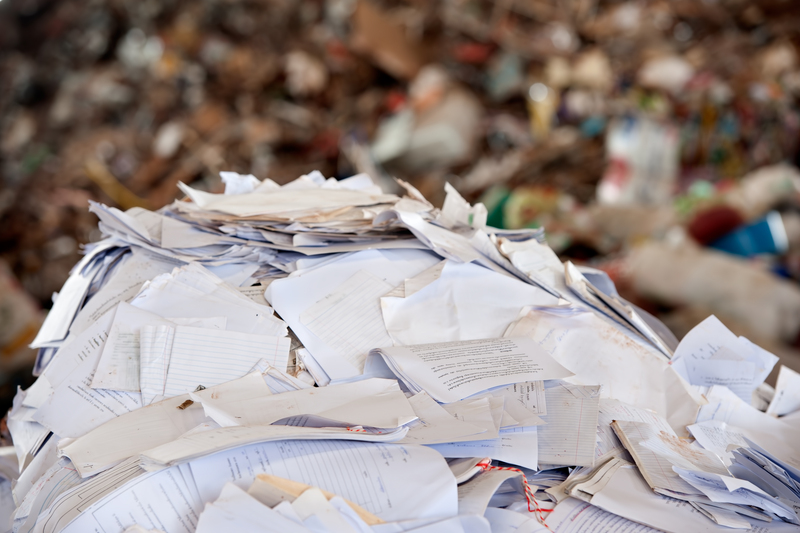
Eco-Friendly Approaches to Cardboard Packaging Waste

Eco-Friendly Approaches to Cardboard Packaging Waste: A Complete Guide to Reducing, Reusing, and Recycling
If you walk into any busy warehouse on a Monday morning, you can almost smell the cardboard dust in the air. Boxes arrive, boxes leave, and what's left is a mountain of corrugated offcuts, void fill, and flattened cartons waiting for a second life. The good news? With the right eco-friendly approaches to cardboard packaging waste, you can turn that pile into savings, compliance wins, and real climate impact. And you can do it without slowing operations--or sacrificing customer experience.
In this long-form, UK-savvy guide, we translate sustainability from buzzwords into practical, money-smart action. You'll learn proven methods to reduce cardboard at source, redesign packaging, segregate and bale efficiently, comply with evolving UK regulations (including EPR for packaging), and build a culture where your team actually cares. To be fair, once you see the numbers, you'll care too. Clean, clear, calm. That's the goal.
Table of Contents
- Why This Topic Matters
- Key Benefits
- Step-by-Step Guidance
- Expert Tips
- Common Mistakes to Avoid
- Case Study or Real-World Example
- Tools, Resources & Recommendations
- Law, Compliance or Industry Standards (UK-focused)
- Checklist
- Conclusion with CTA
- FAQ
Why This Topic Matters
Cardboard is the workhorse of modern commerce. It's strong, renewable, and--critically--recyclable. In the UK, corrugated cardboard typically achieves a high recovery rate (often 80%+ according to industry groups like the Confederation of Paper Industries). Yet, huge quantities still end up contaminated, compacted with general waste, or overused due to poor packaging design. That's wasted money and wasted carbon savings. It's also avoidable.
Eco-friendly approaches to cardboard packaging waste do three things at once: they reduce upstream material use, improve midstream reusability, and ensure downstream recycling or circular recovery. When you blend smart design with clean operations, you get a neat trifecta--operational efficiency, cost savings, and compliance. And yes, customers notice. That first crackle of opening a well-fitted box--no air pillows, no mess--feels good.
Let's face it, the stakes are rising. Extended Producer Responsibility (EPR) for packaging is reshaping how producers and retailers account for their environmental impact. Doing nothing isn't neutral anymore; it's risk. But there's real opportunity in doing better. Lower packaging weights, fewer damaged goods, leaner logistics, measurable carbon reductions--it all adds up.
Micro moment: A warehouse supervisor in Manchester told us, "We swapped to right-sized cartons in autumn. It was raining hard outside that day, but inside, it felt like sunshine; we stopped shipping so much air. Drivers liked it too--fewer awkward shapes." Small change, big grin.
Key Benefits
The value of sustainable cardboard waste management isn't abstract. It's practical, measurable, and kind of immediate.
- Material reduction at source: Less board per shipment via right-sizing and structure optimization (think switching from double-wall BC to single-wall C where appropriate).
- Lower transport emissions: Tighter packs and fewer void fillers mean more shipments per pallet or van. Yes, every cubic metre counts.
- Cost savings: Reduced packaging spend, fewer damage returns, lower general-waste fees, potential rebates for high-quality baled cardboard (OCC).
- Better recycling outcomes: Clean, segregated cardboard achieves higher recovery rates and better fibre quality, improving circularity.
- Regulatory compliance: Staying ahead of EPR for packaging, Duty of Care, and UK waste segregation expectations protects you from penalties and reputational risk.
- Brand trust: Customers prefer greener options. Clear messaging (e.g., OPRL labels, FSC sourcing) signals responsibility.
- Operational safety: Proper bailing and storage reduce fire risk, improve warehouse flow, and avoid trip hazards.
- Data-driven control: Using KPIs like kg of cardboard per order yields continuous improvement opportunities.
Human aside: Ever tried clearing a room and found yourself keeping everything? Packaging can be like that--legacy specs linger. Trimming them down feels liberating.
Step-by-Step Guidance
Below is a practical roadmap to implement eco-friendly approaches to cardboard packaging waste--use it whether you're a start-up shipper or a national retailer.
1) Audit Your Current Packaging and Waste Streams
- Map inputs: List your top 10 box SKUs by volume and spend. Note board grade, flute, internal dims, ECT/BCT ratings, and vendor.
- Track outputs: Measure weekly cardboard waste by weight and volume. Tag contamination hotspots (food residue, wet areas, plastic tapes).
- Follow the flow: Walk the floor. Where does cutting happen? Where do offcuts go? Who's flattening boxes? Observe real-life, not policy.
- Data snapshot: Create a baseline KPI: kg of cardboard per shipped order and recycling rate (% of cardboard segregated and baled).
Micro moment: You could almost hear the hum of the baler when we visited a West London site at 7am--forklifts gliding past, the smell of fresh corrugate, coffee cups steaming. The baseline numbers surprised them. In a good way.
2) Reduce at Source with Packaging Design
- Right-size cartons: Use on-demand box-making or a broader size matrix to cut void space. Target under 15% empty volume.
- Material optimization: Avoid over-specifying board. If damage rates are low, trial a lighter board. Validate with drop and compression tests.
- Eliminate plastic windows or wax coatings: These hinder recyclability. Choose water-based coatings and water-soluble, low-MOAH inks.
- Design for reuse: Consider easy-open, easy-close features for returns or secondary use.
- Print smart: Minimalist, single-colour designs reduce ink; specify FSC-certified or PEFC-certified material for responsible sourcing.
3) Segregate and Keep It Clean
- Dedicated streams: Clearly label bins for cardboard only (EWC Code 15 01 01). Keep it dry and away from food areas.
- Remove contamination: Tapes, labels, and plastic straps should be minimised. Train teams on what's acceptable.
- Flatten at the source: Provide wall-mounted cutters and safe tools so staff flatten boxes where they unpack.
- Protect from rain: Simple covers or a covered yard prevents water damage; wet card reduces fibre quality and baler efficiency.
4) Bale and Store Safely
- Choose the right baler: Match baler size to waste volume; consider vertical balers for smaller sites and horizontal balers for high throughput.
- Bale quality: Use the correct wire gauge and keep bale weights consistent; buyers pay better for tidy, well-tied bales.
- Safety first: Follow manufacturer guidance and UK H&S rules. Keep bales away from heat sources; maintain clear aisles.
- Collections: Schedule collections to avoid pile-up; track tonnage and rebate price per tonne (OCC market rates vary).
5) Partner with Recyclers and Logistics
- Due diligence: Check your collector's licences and end destinations. Obtain Waste Transfer Notes (WTNs) for each consignment.
- Closed loops: Where possible, return boxes for reuse or partner with mills that prefer your quality grade.
- Backhauls: Use return logistics to move bales, reducing empty miles.
6) Train Your Team (and Keep It Human)
- Show, don't tell: Live demos beat PDFs. Let staff hear the baler's cycle and see the difference between clean and contaminated board.
- Gamify it: Monthly "lowest contamination" challenge by shift. Small rewards work wonders.
- Clear signage: Use photos and simple words. Not everyone knows what "waxed board" looks like.
Truth be told, a 10-minute toolbox talk can change habits for years.
7) Measure, Report, Improve
- KPI set: kg cardboard per order; % recycled vs. general waste; damage return rate; cost per order for packaging.
- Monthly review: Track trends, identify new hotspots, and update your packaging matrix accordingly.
- Share wins: Staff respond to impact; show CO2e saved and cost reductions. A simple dashboard near the clock-in helps.
For Households and Micro-Businesses
- Flatten everything: Saves bin space and makes councils smile.
- Keep dry and clean: Greasy pizza boxes? Tear off the oily bits and recycle the rest.
- Reuse first: Moving house soon? Keep a few sturdy cartons and pass the rest on via local community groups.
- Label a corner: A tiny corner for tape, plastic film, and bubble wrap helps avoid wishcycling.
Yeah, we've all been there--midnight unboxing, packing peanuts floating everywhere. Deep breath. Bin bag for soft plastics, flatten the box, job done.
Expert Tips
These are the nuanced tweaks that separate good from great--practical, field-tested strategies we've seen work in UK operations.
- Start with your top five SKUs: Optimise the "vital few" before you chase the "useful many." Quick wins build momentum.
- Use ECT/BCT wisely: Don't over-specify. A box with the right flute and liner grade can protect just as well at lower weight.
- Consider humidity: UK warehouses can be damp. Moisture degrades board strength; store cartons off the floor and away from loading bay drafts.
- Switch to water-based inks and adhesives: Improves recyclability and reduces potential MOSH/MOAH migration risks.
- Printed guidance inside the box: Add a small note: "Please flatten and recycle me." Customers appreciate the nudge.
- Trial on-demand box makers: For high SKU variability, these machines reduce void fill and trim waste dramatically.
- Work with OPRL labels: Clear recyclability instructions reduce consumer confusion (and contamination).
- Consolidate deliveries: Fewer supplier shipments = less inbound cardboard. Negotiate vendor packaging standards.
- Back-of-house housekeeping: A tidy cutting station with measured blades saves seconds per pack--adds up to hours per week.
Micro moment: One packer told us, "I swapped the knife once, cut cleaner lines, and suddenly the offcuts were half what they were. Felt daft not doing it sooner."
Common Mistakes to Avoid
- Wishcycling: Putting waxed, food-soaked, or heavily laminated board into cardboard bins leads to rejected loads.
- Over-sizing boxes: Shipping air inflates carbon and carrier fees; fix it with better size selection.
- Ignoring moisture: Wet cardboard slumps, loses integrity, and becomes heavy. Keep it covered.
- Too many custom prints: Beautiful, but pricey and can complicate recyclability if coatings are heavy.
- Not tracking data: If you don't measure waste and damage rates, you'll chase your tail.
- Storing bales unsafely: Stacks too high or too close to heat sources raise fire risk. Don't risk it.
- Skipping staff training: Systems are only as good as the people using them. Keep it simple, visual, and regular.
Ever open a storeroom and feel a little overwhelmed? Same here. One shelf, one bin, one habit at a time--it works.
Case Study or Real-World Example
Context: A mid-sized e-commerce retailer in East London shipping home goods--about 2,000 orders daily, peaks at 6,000 in Q4.
Challenges: High cardboard spend, over 25% void space in typical cartons, rising carrier fees, and complaints about excessive packaging. Recycling rates looked decent on paper but contamination kept spoiling bales.
Actions:
- Packaging review: Introduced a new 8-size carton matrix and trials on on-demand box-making for irregular items.
- Spec optimisation: Moved 60% of cartons from double-wall to high-performance single-wall where drop tests allowed.
- Recycling upgrade: Added a mid-size vertical baler, repositioned waste points, and gave quick training--hands-on, no jargon.
- Supplier engagement: Asked top three suppliers to reduce inbound carton sizes and use FSC-certified board and minimal tape.
- Customer comms: Printed small notes inside boxes: "We've cut our packaging by 30%. Please flatten & recycle." Simple, friendly.
Results (6 months):
- Cardboard use per order reduced by 33%.
- Damage rate stable at 0.6% (no compromise on protection).
- Carrier spend per order down 7% thanks to dimensional weight improvements.
- Recycling contamination dropped from ~12% to 2% after staff refreshers.
- Annualised savings: ~?68,000 in materials and logistics, plus rebates from OCC bales.
Micro moment: The ops manager laughed, "We weren't expecting that many compliments from customers... about boxes! Turns out, less is more."
Tools, Resources & Recommendations
- Right-sizing & design tools: On-demand box makers (various brands), carton sizers, and CAD packaging software for structural optimisation.
- Testing: Edge Crush Test (ECT), Box Compression Test (BCT), drop and vibration testing through accredited labs or vendor facilities.
- LCA & carbon tools: WRAP resources on packaging optimisation; PAS 2050 methodology for product carbon footprints.
- Recycling equipment: Vertical or horizontal balers; bale wire; moisture meters; safe cutting tools; pallet trucks dedicated to waste handling.
- Supplier certifications: FSC or PEFC for responsibly sourced fibre; ISO 14001 for environmental management.
- Labelling: OPRL for consumer recyclability guidance on paper/cardboard packaging.
- Standards: BS EN 643 (grading recovered paper), EN 13430 (recyclability of packaging by material), and UK EPR guidance from DEFRA.
- Training aids: Short videos, photo-based signage, 10-minute toolbox talks, laminated do/don't cards near packing stations.
Pro tip: Keep a "bad actors" shelf--actual samples of contaminated or over-specified boxes. It's easier to learn from a real, wobbly, tape-mummified carton than from a slide deck.
Law, Compliance or Industry Standards (UK-focused if applicable)
UK regulations around packaging and waste are tightening, with a strong push toward producer responsibility and clear material streams.
- Extended Producer Responsibility (EPR) for Packaging: The UK's EPR regime shifts more costs onto producers to incentivise design for recyclability and accurate reporting. Keep accurate data on packaging placed on the market (by material type and weight), and understand modulated fees that may favour easily recyclable board.
- Packaging Waste Regulations & PRNs: Under the Producer Responsibility Obligations (Packaging Waste) Regulations, obligated producers must finance recovery and recycling through Packaging Recovery Notes (PRNs). Cardboard (paper/board) has its own PRN category.
- Duty of Care (Environmental Protection Act 1990): Businesses must ensure waste is handled safely and only transferred to authorised persons. Maintain Waste Transfer Notes and keep records for at least two years.
- EWC Code for Cardboard: Paper and cardboard packaging is typically EWC 15 01 01. Label containers accordingly.
- OPRL Labelling: For consumer-facing packaging, use up-to-date On-Pack Recycling Label guidance to reduce confusion.
- Storage & Fire Safety: HSE guidance applies--store bales safely, manage clearance distances, train staff, and maintain equipment.
- BS EN 643: Follow grade specifications for recovered paper to ensure your bales meet market expectations and achieve best rebates.
- ISO 14001: Implementing an environmental management system helps structure your packaging and waste improvement programme.
Note: Regulations evolve; always check the latest DEFRA updates and your local authority's requirements. A quick call to your council can clarify collection rules in five minutes--tea still warm.
Checklist
Use this quick-reference list to keep your eco-friendly approaches to cardboard packaging waste on track:
- Audit complete: Box SKUs, board grades, waste volumes, contamination hotspots documented.
- Right-sizing in place: Updated size matrix and trials on on-demand packaging where viable.
- Board optimisation: Lighter grades tested and validated; water-based inks and adhesives specified.
- Clear segregation: Dry, labelled cardboard-only areas; easy access to flattening tools.
- Baler set-up: Correct machine for the volume; safe operation; bales stored securely.
- Recycling partner vetted: Licences checked; WTNs filed; end destinations known.
- Inbound packaging managed: Supplier standards updated to reduce over-boxing and tape.
- Team training: Short, visual, hands-on guidance; incentives in place.
- KPIs tracked: kg/order, % recycled, damage rates, cost/order; monthly reviews held.
- Customer comms: OPRL labels or in-box notes encouraging recycling and reuse.
Stick this on the wall by the loading bay. Glance, act, improve.
Conclusion with CTA
Eco-friendly approaches to cardboard packaging waste aren't just "the right thing to do." They're operationally smart, financially sound, and aligned with where UK policy--and public sentiment--is headed. Start with a simple audit, pick a couple of quick wins, and build from there. You'll see results fast. And you'll feel better, genuinely, the next time you watch a tidy bale roll away to become tomorrow's carton.
Get a free quote today and see how much you can save.
In the end, it's about caring for the place we live while running a tight ship. One neat box at a time.
FAQ
How can I reduce cardboard packaging without increasing product damage?
Use right-sized cartons, verify with ECT/BCT and drop tests, and add minimal, strategic internal supports. Many products perform equally well in lighter single-wall boards when properly sized, saving weight and carbon without raising breakage rates.
Are pizza boxes recyclable in the UK?
Mostly yes--if clean. Tear off greasy or food-soiled sections and recycle the rest. If it's heavily stained, the oily fibre should go in general waste or food waste where local rules allow.
Do I need to remove tape and labels from cardboard before recycling?
Remove heavy plastic tapes and large labels where possible, but small residues are generally dealt with at the mill. Switching to paper tape improves recyclability.
What's better for SMEs: a baler or a compactor?
For cardboard specifically, a baler is often better--bales are easier to sell and store. Compactors are more useful for mixed waste. Choose the solution that matches your waste profile and space.
How does EPR for packaging affect cardboard users?
EPR increases data and cost responsibilities for producers, incentivising recyclable materials like corrugated cardboard. Accurate reporting by weight and material, plus design for recyclability, becomes financially significant through modulated fees.
What certifications should I look for in sustainable cardboard?
FSC or PEFC for responsibly sourced fibre, ISO 14001 for supplier environmental management, and adherence to EN 13430 (recyclability) and BS EN 643 (recovered paper grades).
Is wet cardboard recyclable?
Wet cardboard can be problematic--fibre strength drops and mills may reject heavily saturated loads. Keep it dry, covered, and off the ground. If soaked, let it dry before baling or divert appropriately.
Can printed or coloured cardboard still be recycled?
Yes, in most cases. Water-based inks are preferred, and heavy coatings should be avoided. Minimalist printing reduces ink load and improves recyclability and aesthetics--win-win.
How do I educate staff or customers about recycling cardboard effectively?
Keep it simple and visual. Use photo-based signs, short demos, and friendly reminders on packaging (OPRL helps). A 10-minute monthly refresher beats a long manual. Little and often.
What KPIs should I track to manage packaging waste?
Track kg of cardboard per order, % of cardboard recycled vs. disposed, damage rate, and packaging cost per order. Review monthly and tie results to specific design or process changes.
Are there rebates for baled cardboard?
Yes. Many recyclers pay for clean OCC bales, with rates varying by market conditions and bale quality. Consistent weights and low contamination fetch better prices.
What about using reusable totes instead of cardboard?
Reusable totes work well in closed-loop systems (e.g., store replenishment or internal transfers). For outbound e-commerce, cardboard often remains preferable due to return logistics, but hybrid models can reduce total waste.
How much money can I realistically save?
It varies, but reductions of 20-35% in cardboard use are common after right-sizing and spec optimisation. Combined with lower carrier dimensional fees and recycling rebates, five-figure annual savings are realistic for mid-sized operations.
Is all corrugated board equally recyclable?
Most corrugated is widely recyclable, but waxed or heavily plastic-laminated boards are problematic. Choose recyclable coatings and avoid composites where possible.
Do I need special training to operate a baler?
Yes. Follow manufacturer guidance and provide formal training, including safe tying, loading, and lockout procedures. Document it--H&S matters as much as sustainability.
Final thought: Small habits, repeated steadily, make the biggest difference. Keep going--you're closer than you think.